
A river is far more than a flowing stream of water—it is the foundation of human civilization, livelihoods, culture, and ecological balance. Today, the Bheden River, a crucial lifeline for thousands of people across the districts of Sundargarh, Sambalpur, and Jharsuguda, is fighting for its very existence. Its deteriorating condition signals not only an environmental crisis but also a looming social and economic challenge for the region.
Originating in the Bonai subdivision of Sundargarh district, the Bheden River flows through Kuchinda subdivision, Rengali block, and parts of Sambalpur district before nourishing areas of Jharsuguda district, including Kolabira block, and finally merging with the Ib River near Kherual. The river supports agriculture, drinking water supply, livestock rearing, fisheries, and the daily needs of numerous villages along its course.
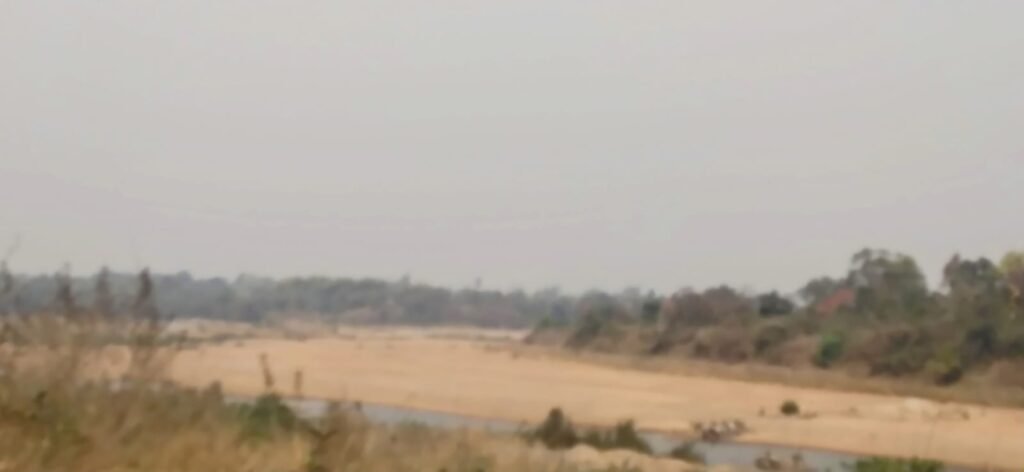
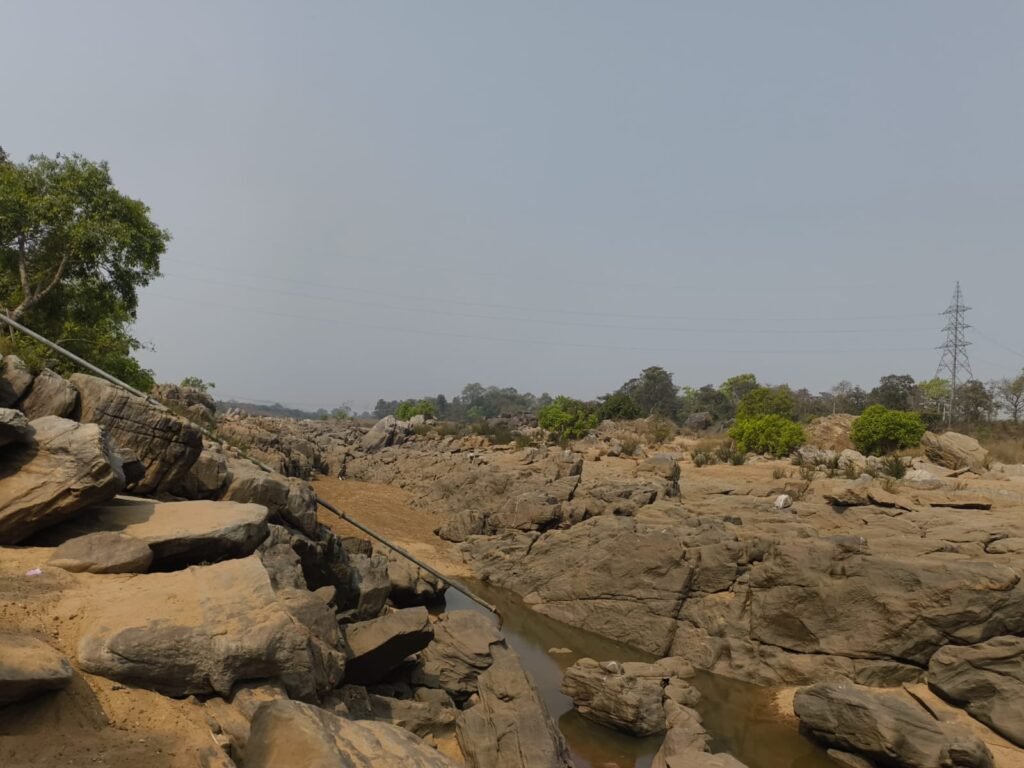
However, since February this year, the river’s condition has become alarming. Once known for retaining water throughout the year, large stretches of the river have now turned into dry sandy beds. Even several deep pools that traditionally held water year-round have nearly vanished.
The famous Rani Darha at Mahadevpali, once so deep that locals recalled elephants being submerged in its waters, has reportedly dried up completely. Similar concerns have emerged at Bihar Bael Darha, Bagadia Darha, Loida Darha, Sena Darha, Ghughar Darha, and Samalei Darha. These water bodies were not merely reservoirs but vital habitats for fish, birds, and diverse aquatic ecosystems.Causes Behind the CrisisExperts and local residents attribute the river’s decline to a combination of natural and human-induced factors.A deficient monsoon last year prevented adequate replenishment of the river, resulting in low water levels from the outset.
Additionally, extensive water extraction through check dams and lift irrigation projects has significantly reduced the river’s natural flow.Unregulated sand mining has emerged as another major concern. Heavy vehicles and machinery now frequently operate within the dry riverbed, disrupting the river’s natural structure and reducing its water-retention capacity.
Industrial activities along the river have further compounded the problem. Wastewater, slurry, and ash pond residues from nearby industries are reportedly being washed into the river during rains, accelerating siltation and degradation of the riverbed.
Local residents claim that stretches of the Bheden River that were once 50 to 60 feet deep have now shrunk to depths of 30 to 40 feet. Continuous sediment deposition and erosion have reduced the size and storage capacity of several deep pools, making them increasingly vulnerable to drying up.Threat to Livelihoods and Biodiversity
The consequences of a dying river extend far beyond water scarcity.Thousands of farmers depend on the Bheden River for irrigation, particularly for paddy cultivation. Declining water levels could severely affect agricultural productivity in the coming years.Livestock rearing, fisheries, and rural drinking water supplies are also at risk. Water shortages may become a serious concern for many villages if the current trend continues.
The ecological impact could be even more severe. Fish, crabs, aquatic organisms, birds, and riparian vegetation all depend on the river’s health. As a living ecosystem, the degradation of the Bheden River threatens the entire environmental balance of the region.The Need for Immediate Action
Saving the Bheden River will require coordinated efforts from government agencies, local communities, environmental experts, industries, and civil society organizations.
Key measures include:Strict regulation of illegal and excessive sand mining.Removal of accumulated silt and waste materials from the riverbed.Scientific rainwater harvesting and construction of suitable water conservation structures.Large-scale plantation and soil conservation measures along the riverbanks.
Strong monitoring of industrial wastewater discharge.Preparation of a comprehensive river restoration and management master plan.A Warning for the Future
The present condition of the Bheden River serves as a stark warning. If urgent conservation measures are not taken today, future generations may know the river only through history books.
The river sustains the livelihoods, ecology, and biodiversity of three districts. Protecting it is not merely an environmental obligation but a necessity for ensuring the region’s long-term social and economic well-being.
A river is not just water—it is the identity and lifeline of an entire region. If the Bheden survives, the future of thousands of people survives with it. If it is lost, an entire ecological system may disappear. The time to act is now.
More Stories
Trailer JCC General body meeting held at Paradip
CIPET PPEC Paradip planted 400 saplings during plantation drive week
Excise department seizes 52 Kg Ganja in Major Anti-Drug Crackdown