
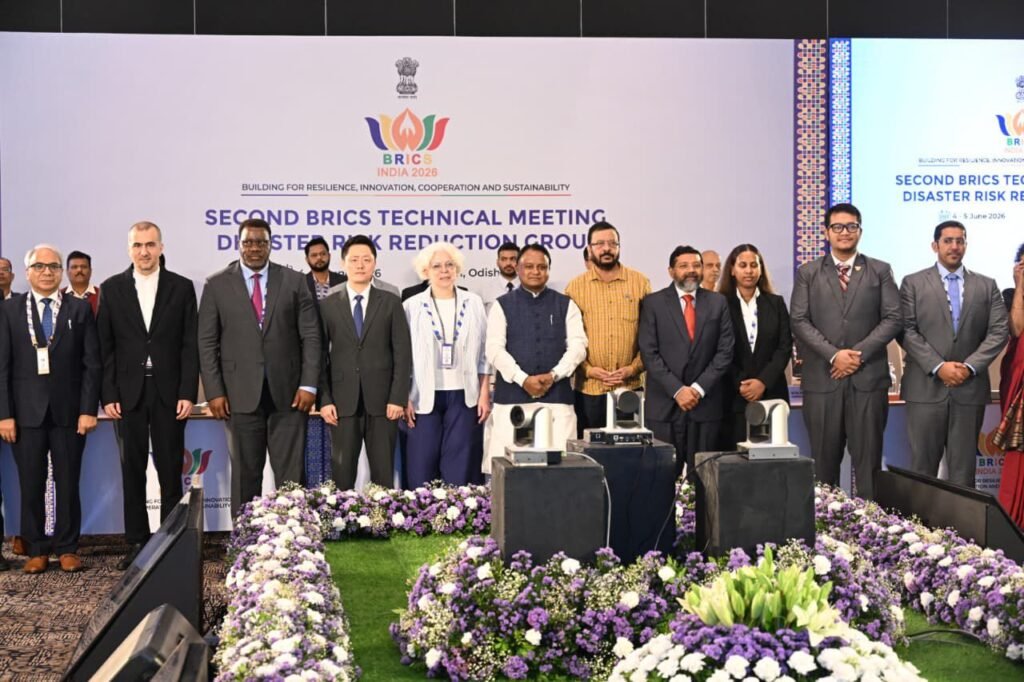
Puri: Odisha Chief Minister Mohan Charan Majhi on Thursday inaugurated the technical meeting of the BRICS Disaster Risk Reduction Group (DRRG) in Puri, stressing the need for stronger international and inter-state cooperation to address the growing challenges posed by climate change and natural disasters.
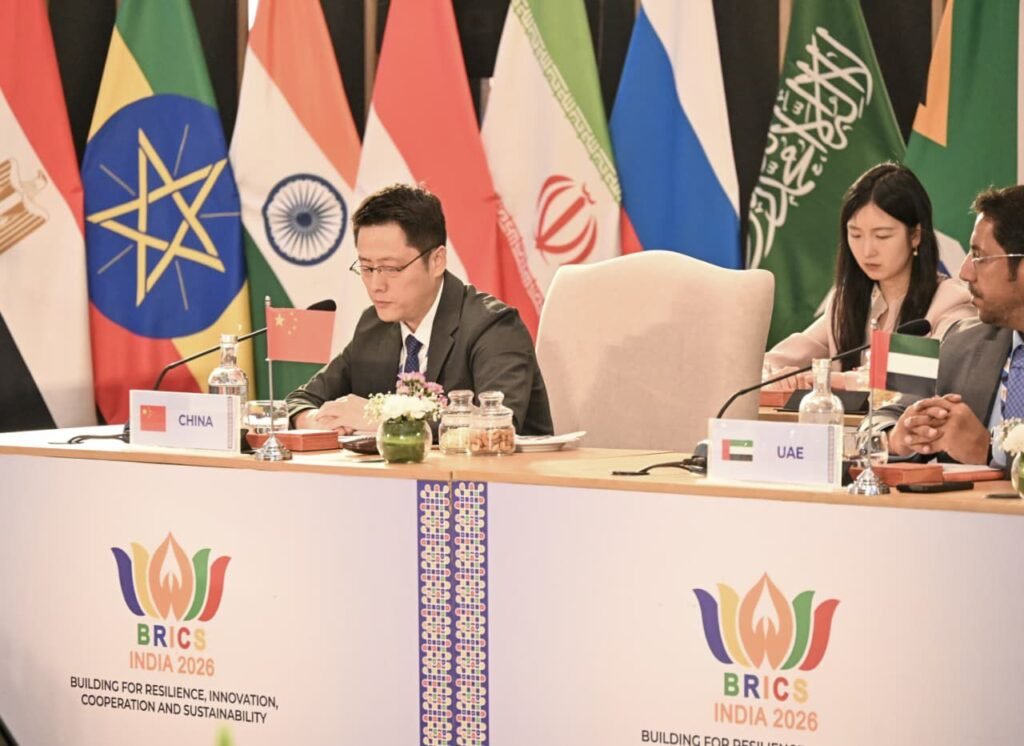
Addressing delegates, experts and officials from BRICS member countries, Majhi said the Puri meeting would play a significant role in shaping a global framework for disaster risk reduction. He described the conference theme — “Resilience, Innovation, Cooperation and Preparedness for Sustainable Development” — as a reflection of the most pressing needs of the present time.
The Chief Minister said disaster risk reduction was no longer merely an administrative concern but had become a cornerstone of sustainable development, economic stability and public safety. With climate change, rapid urbanisation and environmental degradation increasing both the frequency and intensity of disasters worldwide, he said there was an urgent need for stronger preparedness and coordinated action.
Highlighting Odisha’s internationally recognised disaster management model, Majhi said the state’s approach is guided by a “zero casualty” objective. He noted that evidence-based planning, advanced early warning systems, disaster-resilient infrastructure, institutional capacity building and inclusive governance have helped strengthen Odisha’s preparedness over the years.
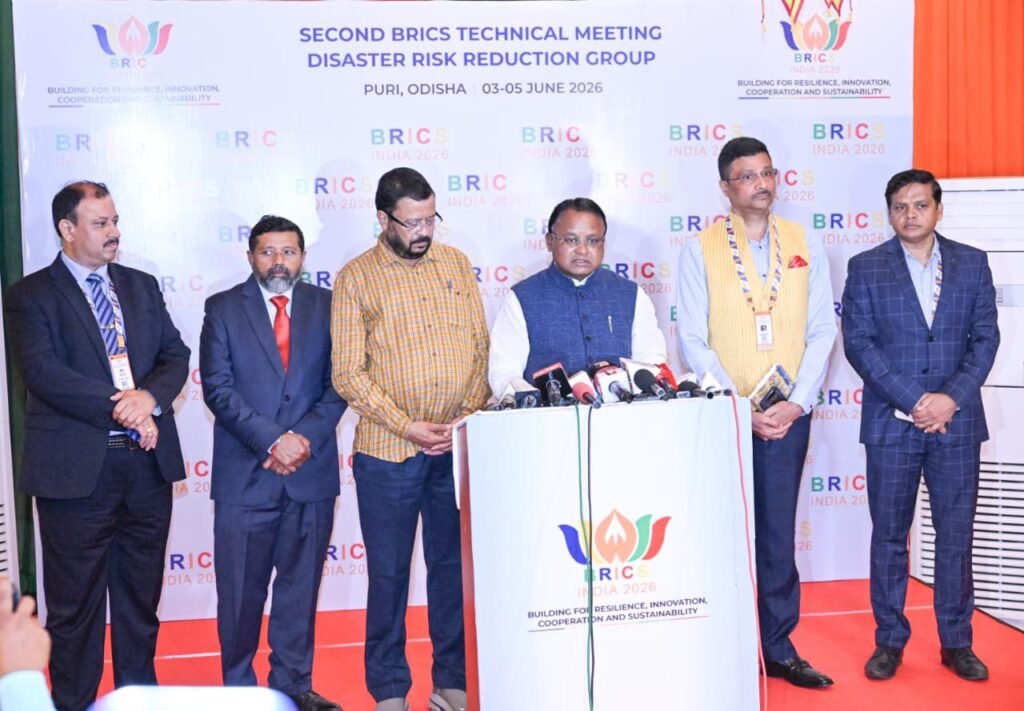
He said cyclones, heatwaves, lightning strikes, coastal erosion and climate-related urban challenges continue to pose significant risks to the state, underlining the need for greater innovation and resilience-building measures.
Praising Prime Minister Narendra Modi, Majhi said disaster risk reduction occupies a central place in India’s development agenda. He described the Prime Minister’s 10-point programme on disaster risk reduction as a comprehensive and forward-looking roadmap.
The Chief Minister also referred to the recently approved Rameswar–Paradip Greenfield Coastal Highway project, a 160-km corridor estimated to cost around ₹8,301 crore. He said the project would significantly strengthen Odisha’s disaster preparedness and emergency response capabilities by facilitating faster evacuations, uninterrupted supply chains and efficient relief operations during disasters such as cyclones.
Expressing gratitude to the Prime Minister and the Union government, Majhi said the project would serve as a milestone in Odisha’s development and the creation of disaster-resilient infrastructure.
He further emphasised the need for climate-sensitive urban planning, sustainable land-use policies and comprehensive heatwave management strategies in the face of rising temperatures, extreme weather events and rapid urbanisation. He called for wider adoption of advanced scientific technologies, public awareness campaigns and preventive measures.
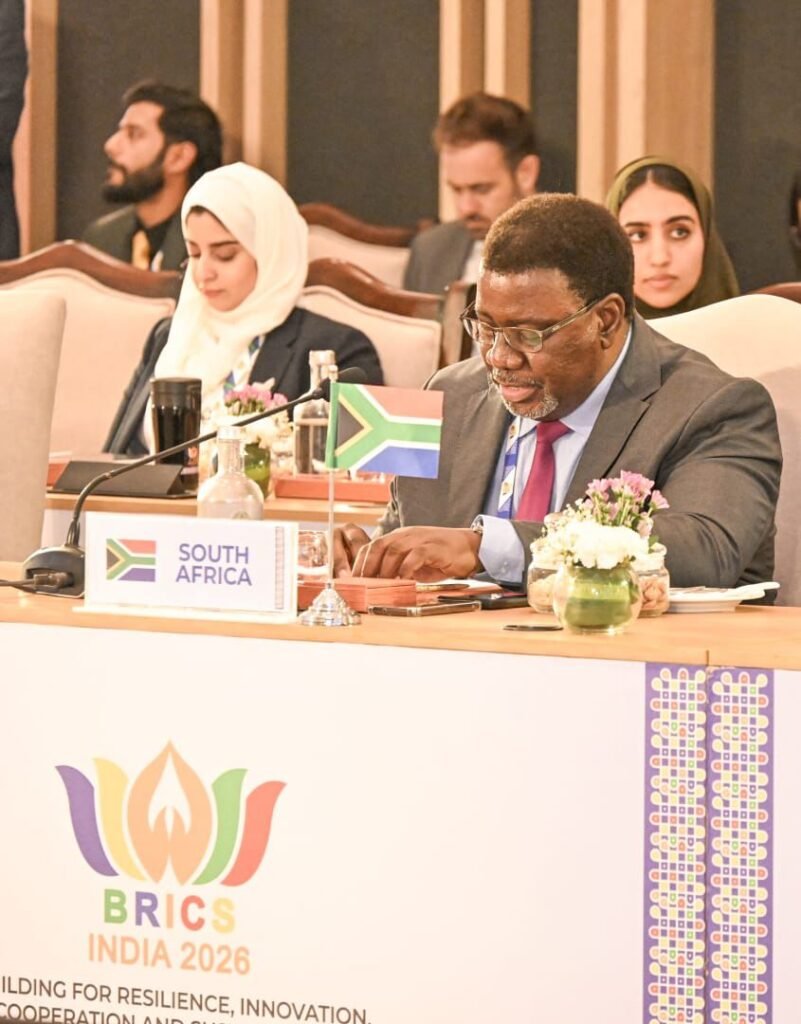
Majhi said the BRICS platform offers an important opportunity for developing countries to strengthen cooperation in disaster risk reduction, climate-resilient infrastructure and institutional capacity building. He urged member nations to move beyond discussions and focus on concrete partnerships and result-oriented action.
Concluding his address, the Chief Minister expressed confidence that the “Puri session” would make a historic contribution to global disaster risk reduction efforts and help guide the international community towards a safer, more resilient and sustainable future.
Speaking on the occasion, Odisha Revenue and Disaster Management Minister Suresh Pujari said the lessons learnt from the devastating 1999 Odisha Cyclone had enabled the state to develop a world-class disaster management model. He said strong early warning systems and active community participation had made Odisha a benchmark in disaster preparedness and response.
More Stories
Trailer JCC General body meeting held at Paradip
CIPET PPEC Paradip planted 400 saplings during plantation drive week
Excise department seizes 52 Kg Ganja in Major Anti-Drug Crackdown